Tragedy of the Commons
This resource has been reviewed by SubjectToClimate's climate scientists and verified for scientific accuracy and up-to-date information. Learn about our review process →
Provided by: Khan Academy|Published on: April 27, 2021
VideosScientist Reviewed
9101112AP
Scientist Reviewed This resource has been reviewed by SubjectToClimate's climate scientists and verified for scientific accuracy and up-to-date information. Learn about our review process →
Synopsis
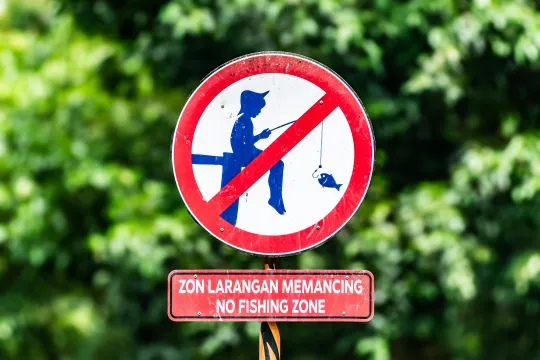
- This Khan Academy video uses a simple example of a public fishing pond to illustrate the tragedy of the commons, which allows unprotected areas or resources to become depleted or destroyed by overuse.
- The resource includes a video, a transcript, and an interactive quiz.
Subjects: Biology, Economics
Authors: Khan Academy
Region: Global
Languages: English
Teaching Materials
Positives
- This is a simple example that helps students understand the need for regulations and protections for the things that no one owns but that everyone relies on, like air, water, and nature.
- They suggest a solution: having some sort of permitting or restrictions established to protect these areas.
Prerequisites
- It may help to have students make a list of everything they can think of that isn't owned on Earth but could be used by many different people.
Differentiation & Implementation
- This video can be connected to topics such as competition, population density, ecosystem limits, and planning for future generations.
- This video can be used to introduce different concepts of caring for the Earth and for the future, like those of many Indigenous cultures that live within their ecosystem's limits and think many generations ahead when making decisions.
- Other resources related to this topic include this TED video on intergenerational justice and this course on globalization.
Scientist Notes
Teaching Tips
Standards
Resource Type and Format
Scientist Reviewed
This resource has been reviewed by SubjectToClimate's climate scientists and verified for scientific accuracy and up-to-date information. Our review process ensures that every resource in our library reflects the current state of climate science.
Learn about our review process →